

 Shree Ram
 Shree Jagannath
 Shree Hanuman
Why Tulsi
Why Tulsi
Tulsi has been part of Indian devotional life for centuries. Here is a simple guide to what it is, why devotees wear it, and how to care for it.
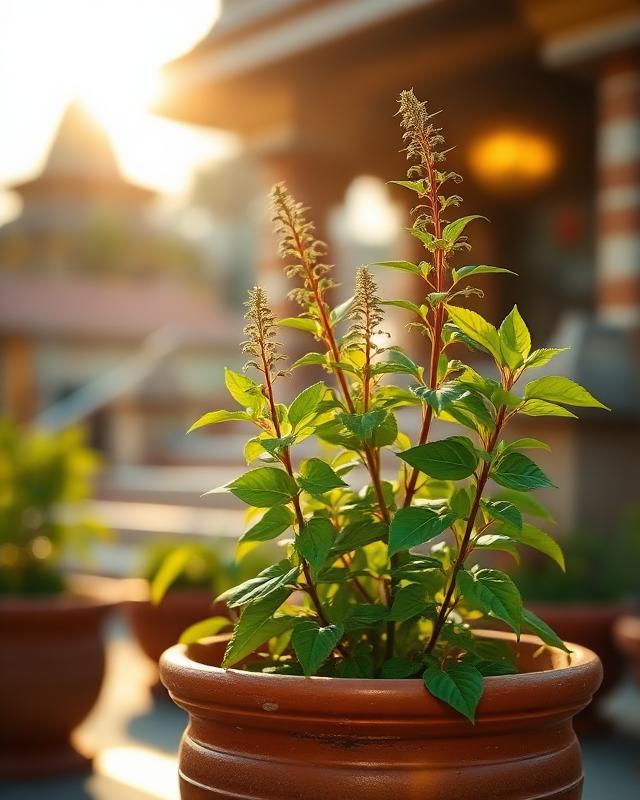
What is Tulsi?
Tulsi, also called Holy Basil (Ocimum tenuiflorum), is an aromatic plant native to the Indian subcontinent. It is grown in courtyards and temples across India and is tended with care in many homes.
In Vaishnava tradition, Tulsi is revered as Tulsi Devi and is regarded as especially dear to Lord Vishnu and Krishna. Tulsi leaves are offered in worship, and the wood of the plant is shaped into beads for malas.
The name Vrindavan itself comes from Vrinda, another name for Tulsi. In Vrindavan, Tulsi is part of everyday devotional life.
Why Devotees Wear Tulsi
A Mark of Devotion
Wearing a Tulsi kanthi mala has long been a sign of devotion among Vaishnavas.
A Companion for Japa
Tulsi japa malas, usually of 108 beads, are traditionally used to count the chanting of the holy names.
Close to Krishna
Tulsi is regarded as dear to Krishna, so many devotees wear it as a way of keeping Him close.
A Daily Reminder
Many people wear Tulsi as a quiet reminder to stay calm, kind and mindful through the day.
Rooted in Vrindavan
Vrindavan, the land of Krishna, takes its name from Tulsi and has a deep bond with the plant.
Natural and Simple
Tulsi beads are natural wood, light to wear and suited to everyday life.
How Tulsi Malas Are Traditionally Worn
Begin with Respect
Many devotees first offer a new mala to their deity, or keep it at the home altar, before wearing it.
Keep It Clean
Wipe it gently with a soft, dry cloth. Avoid soap, perfume and long contact with water.
Wear It Every Day
Kanthi malas are usually worn close to the neck and kept on through the day.
Chant with It
Japa malas are held in the right hand and moved bead by bead with each repetition of the name.
Store It Well
When you are not wearing it, keep it in a clean pouch or at your altar.